
The allure of high-stakes gambling
High-stakes gambling is a magnet that draws individuals from various backgrounds, each seeking the thrill and excitement that come with risking substantial sums of money. The adrenaline rush associated with placing large bets creates a unique environment where emotions run high, and decision-making processes are often clouded by the intensity of the moment. Gamblers are frequently driven by a mixture of hope, desire for fortune, and the intoxicating atmosphere of the casino, which can lead to both exhilarating victories and devastating losses. Many seek the best crypto casino experiences that promise significant rewards.
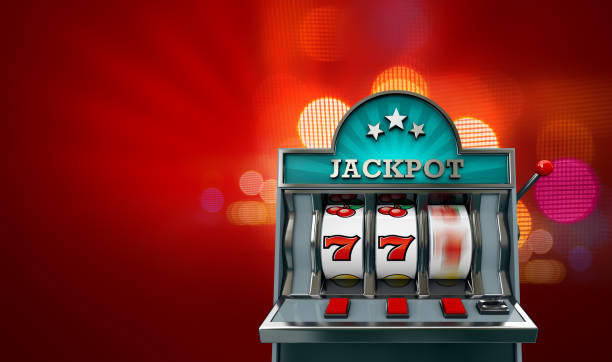
This allure often stems from the psychological concept known as the “illusion of control.” Many gamblers believe they can influence the outcomes of games through skill or strategy, even in purely chance-based scenarios like slot machines or roulette. This belief can propel individuals to take risks they might avoid in more rational settings, as the desire to win overshadows the realistic odds of success.
The role of cognitive biases
Cognitive biases play a significant role in how people make decisions in high-stakes casino environments. One notable bias is the “gambler’s fallacy,” where individuals believe that past events can influence future outcomes in games of chance. For instance, a player may think that because a particular number hasn’t come up in a while, it is due to hit soon. Such misconceptions can lead to larger and riskier bets, often leading to loss and regret.
Another prevalent cognitive bias is the “availability heuristic,” wherein gamblers evaluate the likelihood of an event based on recent experiences or vivid examples. If a player recalls witnessing someone win a large jackpot, they may overestimate their own chances of winning. These biases distort judgment and can result in impulsive decisions that disregard the statistical realities of gambling.
Emotional factors in gambling
The emotional landscape of high-stakes gambling is complex and varied. Feelings of excitement, anxiety, and even despair can influence decision-making in profound ways. For many, the initial thrill of placing a large bet can rapidly morph into fear or desperation, especially during losing streaks. These emotional swings not only affect individual choices but can also lead to erratic behavior, such as chasing losses or playing longer than intended.
Moreover, the concept of “loss aversion” plays a crucial role in this emotional turmoil. Psychologically, humans tend to feel losses more acutely than equivalent gains. As a result, when faced with the prospect of losing money, gamblers may irrationally persist in their efforts to recover losses, leading to riskier and less calculated decisions.
Social influences on gambling behavior
The social environment of a casino greatly impacts how individuals make decisions regarding high-stakes gambling. The presence of other players and staff can create an atmosphere that fosters risky behavior, driven by a desire for social approval or competition. Many gamblers may be influenced by the reactions of those around them, feeling encouraged to take more significant risks when they see others doing so.
Additionally, casino marketing and design are crafted to enhance this social dynamic, creating environments that encourage prolonged play. The use of bright lights, stimulating sounds, and free drinks can subtly manipulate the decision-making process, leading individuals to abandon caution in favor of immediate gratification. This social interplay can amplify the psychological pressures that gamblers face, making it even harder to resist the temptation of high-stakes play.

Enhancing language skills through understanding gambling psychology
By exploring the psychology behind high-stakes casino decisions, learners can enhance not only their understanding of gambling behaviors but also their language skills. Engaging with the terminology and concepts surrounding gambling provides a unique opportunity for English language students to expand their vocabulary while discussing complex psychological ideas. Unknown factors often play into these discussions, influencing not just the outcomes but also the way players perceive their chances.
This website offers valuable educational resources tailored for those looking to deepen their language proficiency. By providing interactive tools and engaging content, learners can explore various subjects, including the intricate world of gambling psychology, making their language study both accessible and enjoyable.

